
Help and Make the World a Better Place
Help and Make the World a Better Place
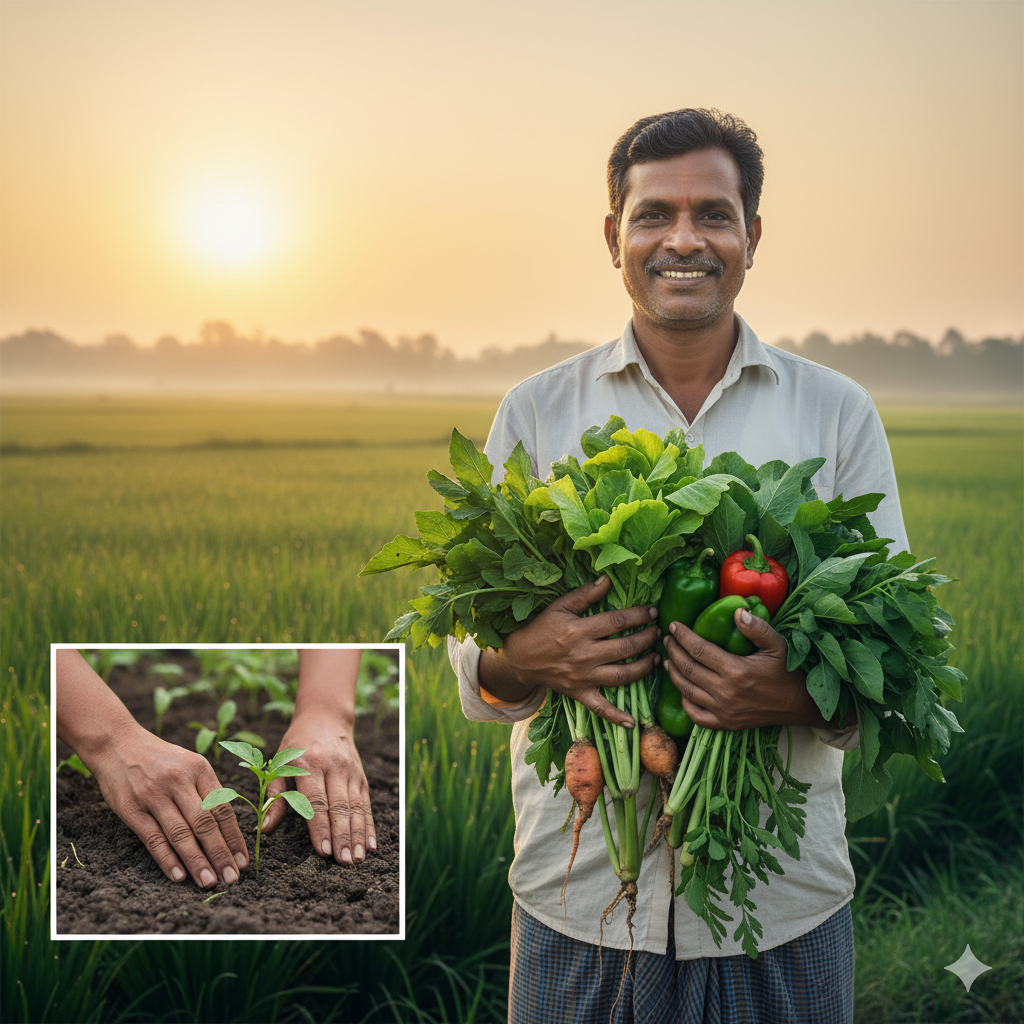
SAF's Mission is to Empower underserved farmers by providing vital resources to bridge the gap in access to agricultural opportunities. Our agricultural initiatives focus on funding, education, increasing food production and enhancing environmental sustainability. They aim is to drive innovation, bolster food security, and enhance the livelihood of farmers and consumers.
SAF Agricultural initiative programs encourage and focus on micro-farms for high-value (small space) crops cultivation with volunteers (for labor, connecting them to the mission) and partnerships for land resources (donated land or underutilized public/private spaces)
Specialized training is arranged for specific high value crops like mushrooms, microgreens, herbs, educational gardens, often with volunteers and partnerships for land/resources. Key ideas involve youth-run markets, and specialized training, combining social missions with sustainable agriculture.
SFA organize and participate in Community Supported Agriculture (CSA), a partnership where consumers ("members") buy a share of a farm's harvest in advance, providing underserved farmers with upfront capital for the season. Members receive regular, often weekly, boxes of fresh, local, seasonal produce, sharing both the risks (like bad weather) and benefits of farming.

Microgreens are a rarity in the agricultural world. Growing peas, radishes and other various greens seeds densely to a height of just a few inches and then selling them small, is a novel enterprise.
For growers, microgreens allow year-round revenue. They can be grown anywhere— there’s usually no need to purchase or even rent land to start a microgreens business. It can grow in stack trays on the shelves in limited space. And they can be quite profitable. For example, pea shoots growing in a tray cost just $2.70 per tray, plus about an hour in total labor. We’re able to sell them to chefs for $70 to $80 per tray. But microgreens are only profitable if they are grown well, and need detailed best practices for a new microgreens business.
This business can be integrated with seed farming as seeds are the principal raw material for microgreen productions.
That’s why the SA Foundation finds growing Microgreens is perfect for the disadvantaged group of people who are lacking in land and resources and supports those involved in this business for their self-reliance.
We provide in depth training on the Microgreen productions and distribution. Also, we assist them with initial seed money to initiate the business and secure a successful outcome.
You may help this group of less fortunate people with limited resources by donating to this unique entrepreneurship.
Mushrooms, a high value nutritious and medicinal crop, can be cultivated in small and repurposed spaces, offer great opportunities for individuals and communities to address food security issues as well as in the context of production for sales or sustenance, offering several unique qualities that leave them poised to solve a range of community challenges in both rural and urban settings.
Mushroom Production Systems are Low-Tech, Easy to Set Up, and Flexible
Unlike many food crops, little or no land is needed to grow mushrooms. They could be grown in a closet. The space needs to be kept at a consistent temperature (65 – 70 degrees) and high relative humidity. It also needs to be able to be cleaned periodically. That’s about it.
Because of the flexibility and low cost of setting up production systems, along with the main raw input of low cost “waste” materials, the cost to start an operation is low, while prices for specialty mushrooms are high. For instance, ten pounds of a mixture might cost $1 – 10 to inoculate and should yield 2 to 5 Kg of mushrooms, which can be sold at a retail price of $10 – $12, yielding $49 – $120 worth of product.
In the ways described above, SA Foundation encourages, initiates and funds the project among capable women and men to start such a self-sustained business of cultivating mushrooms. SAF provides education and training on the cultivation process, using local waste materials like straw to grow edible mushrooms.
You may participate in this project, helping unemployed youth and women to overcome poverty and live with dignity. Your Donations can uplift a family at a time.
Again, integrated Mushroom, poultry, and fish farming to create a sustainable profitable system, with poultry waste used in mushroom cultivation and mushroom byproducts used in fish feed.
You can Donate Here, or by sending a check by mail using this Form
Donate

SAF initiates assisting in high value low volume crop cultivation that keeps producing for decades once planted, securing income forever from one time investment with low maintenance cost.
Saffron Cultivation is one of the high value low volume products obtained from flowers of a perennial small plant. Cultivation of saffron plants can be grown in a Controlled Environment- This perennial crop, once planted, reproduces over 5-10 years. Fennel, Asparagus, once planted, reproduce for 20 years with minimal care. This cropping system requires minimal time investment with increased production annually as the number of secondary corms (bulb) and/ root system increase.
Saffron cultivation project is under experiment, interested community people along with SA Foundation are exploring the possibilities.
You may join this mission to make this project successful. Your financial help would be great to us.
Contribute today to see the successful endeavor of this project.
Vanilla is a major natural flavor, widely used in many industries as food, beverages, sodas, pharmaceutics, cosmetics and traditional crafts. Planting vanilla requires replicating its native tropical and subtropical environment. Because vanilla is an orchid, it needs a support structure to climb, a light and airy growing medium, and partial shade. It can be propagated easily using a healthy stem.
It is a high-value, low-volume cash crop. Because the orchid (plant) is labor-intensive—requiring manual pollination and months of careful curing—it yields incredible profits on small plots of land. The beans can be stored or dried for extended periods to fetch premium market prices.
Being a sub-tropical country, this high value product is a promising new cash crop for Bangladesh as it has favored growing climatic conditions to grow these bean plants. The rising demand for powdered vanilla extract and increasing preference for natural and authentic flavors, given its high market value estimated at up to $150,000 per acre, the crop can be exploited for the self-reliance of farmers and improve their quality of life eventually.
Contribute today to seeing the successful endeavor of this project for the betterment.
DonateSeed farming -a lucrative business opportunity for farmers, gardeners, and growers as demand far outstrips supply. On just a small plot of land, growers can make a profit from seed farming as a side business.
Launching a seed farming project involves producing, harvesting, and packaging high-quality, genetically pure seeds. It requires meticulous spatial isolation to prevent cross-pollination, dedicated space for plant maturation, and specific equipment for cleaning, drying, and testing viability to ensure a successful yield.
Production phases include Crop selection, Isolation, planting, Harvesting, Processing and Storage of Seed.
SAF Assist financially and provide training, workshops, mentorship, and networking opportunities for local beginner farmers who are keen in adopting seed production in small-scale business for self-sustained livelihood. SAF also provides practical, hands-on field experience before launching a full-scale operation by connecting with local seed Farms.
In our rural community seed project, Seeds of the Food System, we grow and save seeds for local distribution and teach seed saving skills to youth, volunteers, and community. We inspire the application of botanical knowledge and gardening skills as well as a sense of community and self-sufficiency.
Your generous gift will help local farmers to enter the income generating stream and self-sustain. sustain
“SAF organizes and participates in Community Supported Agriculture (CSA), a partnership where consumers ("members") buy a share of a farm's harvest in advance, providing underserved farmers with upfront capital for the season. Members receive regular, often weekly, boxes of fresh, local, seasonal produce, sharing both the risks (like bad weather) and benefits of farming”.
Donate

SA Foundation’s mission is to aid self-sufficiency program through initiating projects with chickens, goats, or rabbits that allows for manageable, low-capital entry into farming, providing rapid returns on investment through egg and meat production.
Project utilizes basic, locally sourced materials to build chicken coops or shelters for livestock minimizes initial investment costs. Starting with a small flock or herd enables farmers to learn necessary husbandry skills without high risks, scaling up only as experience and resources allow.
Your donation will help us provide small-scale farmers and communities worldwide with livestock, training, and related services to create sustainable solutions to poverty and hunger.
By giving monthly, you ensure that Sofia Alauddin Foundation can say “yes” to more communities, providing the livestock and training necessary to break the cycle of poverty for good.
Be a part of the change. Give monthly today.
DonateEmpowering Local Economies through Sustainable Fish Farming
SA Foundation focuses on Fish farming self-reliance projects, including small-scale aquaculture and aquaponics, provide sustainable, local protein sources, improving food security and enabling financial independence through income generation. SA Foundation aims to support fish farming by providing financial, technical, and certification assistance to improve sustainability, fish welfare, and profitability, focusing on reducing environmental impact while boosting local livelihoods.
Provides Financial Assistance, offers Grants and loans for construction, expansion, and purchase of aquaculture facilities to boost up local jobs and self-reliance of the underserved farmers.
Education and Advocacy: The Sofia Alauddin Foundation funds classroom education and community events to support sustainable seafood choices and community-based supply chains.
SAF is committed to transforming the lives of underprivileged group of people to build their lives through assisting in small fish farming.
Support SAF to make sure that they continue to thrive.
Ways to Give- Donate online Donate by Mail
For information about additional ways to give, including planned gifts, qualified charitable distributions, employer giving/matching programs, wire transfers, or gifts of stock or crypto, please contact the SAF team at donate@soalfoundation.org
Donate

Together, We Pledged to Plant Trees
Our community grows with every tree we plant. Together, we're restoring ecosystems, protecting habitats, boosting wildlife, and sequestering carbon.
Our aim is to grow trees for direct financial return (timber, fruit, nuts, medicines etc) making it a multi-faceted strategy for both individual wealth and community development through job creation. Trees contribute to energy savings by acting shade and windbreaks, improved water/air quality. Trees also reduce stormwater runoff, lowering infrastructure costs and improving water quality, saving money on water treatment.
Our mission is to foster a sustainable and resilient future through innovative nature-based solutions rooted in the science of trees.
Together, we’re doing more than planting trees. We’re restoring ecosystems, protecting biodiversity, supporting local communities and growing a greener future for the next generations.
“Plant and care valued Trees” Campaign – “$10 a Tree, Start with 5 Trees”
This project focuses on planting trees that provide high environmental, economic, and social value, such as native fruit-bearing trees, trees for timber for construction and furniture and the trees that increase property value through shade and aesthetics. Effective projects follow the "right tree, right place" principle to ensure long-term survival.
Help mother earth by donating to the “ 5 trees, $10 a tree” campaign. Your contribution will save our community and the environment.
"Legacy" Tree Planting
Aim is to Encourage and help residents to plant trees in honor of loved ones, and for children to plant a tree to grow with them, creating long-term stewardship.
"One Student, One Tree" Campaign
SAF Partnered with local schools for Arbor Day to have students’ plant and tend to native saplings, incorporating lessons on tree biology and environmental impact.
"Tree Equity" Mapping Initiative:
Use tools like the Tree Equity Score to identify underserved communities and mobilize volunteers to bring the benefits of trees (health, cool air, beauty) to those areas.
Combine planting with workshops on local ecology, native species, and sustainable practices, engaging schools and youth groups.
To contribute to the Fund for Planting Fruit/valued tree
You may contribute through mail in check.
Send check payable to Sofia Alauddin Foundation and mail Here
DonateBackyard or homestead gardening in rural Bangladesh is a highly effective, space-efficient way to achieve food self-sufficiency. By combining seasonal vegetables, perennial fruit trees, and small-scale livestock, a rural household can secure year-round nutrition and cut household food costs significantly.
SAF’s successful planning includes growing vegetables and perennial fruits in stages:
Sofia Alauddin Foundation promotes structured, year-round backyard gardening. A successful plan SAF designed to help Needy families to produce fresh food for themselves and arrange excess to be sold to the local market for a household income. SAF provides financial assistance to carry out the project successfully.
Time to time Sofia Alauddin Foundation also hosts community workshops, volunteer days, and educational programming to help neighbors in growing nutritious, pesticide-free food in their backyards that aid in living families in dignity.
Let’s help the needy in achieving their self-sufficient journey.
Even a small Donation will have a positive impact in the community.
Donate

Donation Options for Zakat, Sadaqah, Sponsorship and to Support our projects
Express Donation |
Online Donation |
||
Donate via PayPal
|
@SofiaAlauddinFdn
|
+8801773345350
(Bangladesh) |
Donate HereLog InDo not Have an Account?Sign Up |
Other Donation Options |
|||
|
Download the Donation Form Haymarket, VA, 20169, USA |
Email: safdninfo@gmail.com
|
|